
Before TORA Had a Name
The origin story of play therapy's first evidence-based universal approach

Some ideas take a long time to become what they were always meant to be. Mine started in Melbourne in 2003.
I was completing my art therapy placement at Next Door, Yarra Drug and Alcohol Forum — a drug and alcohol primary health care unit. Working as the on-site Art Therapist with a multidisciplinary team, I offered individual and group Art Therapy to clients navigating addiction. Families would come — and with them, their children. That was my first experience of therapeutic work with children and families in a complex system: what it meant to hold space for a child whose world was shaped by forces entirely outside their control, and what it meant when the system around them either helped or failed to see them.
I moved into UK primary schools as a school counsellor in 2004. I enrolled in play therapy training in 2005 and began the training in 2007. I was working with children every day, inside school systems, watching what reached them and what didn’t.
By 2008, those years on the ground had sharpened into a research question. As part of my postgraduate studies at the University of York, I conducted focus groups with multi-professional education staff — school leadership, teachers, educational psychologists, and support workers. The research was titled:
Children at risk of school exclusion; what role can NDPT (non-directive play therapy) play within their system of support?
Not: should play therapists work in schools? But: how does play therapy fit within a whole system? Who does what? Where does therapeutic expertise end and educational relationship begin? How do you build something that genuinely supports children — rather than protecting professional turf?
That same year, I completed Group Therapeutic Play training with CARE Northwest — and developed and piloted TLS (Therapeutic Language Skills), the first version of what would become TORA. TLS was a Tier 1 universal approach: something a teacher could use, grounded in play therapy principles, without requiring clinical training.
The research question and the practical pilot had arrived at the same moment. What followed was years of further training, practice, and doctoral research — building the evidence base one layer at a time.
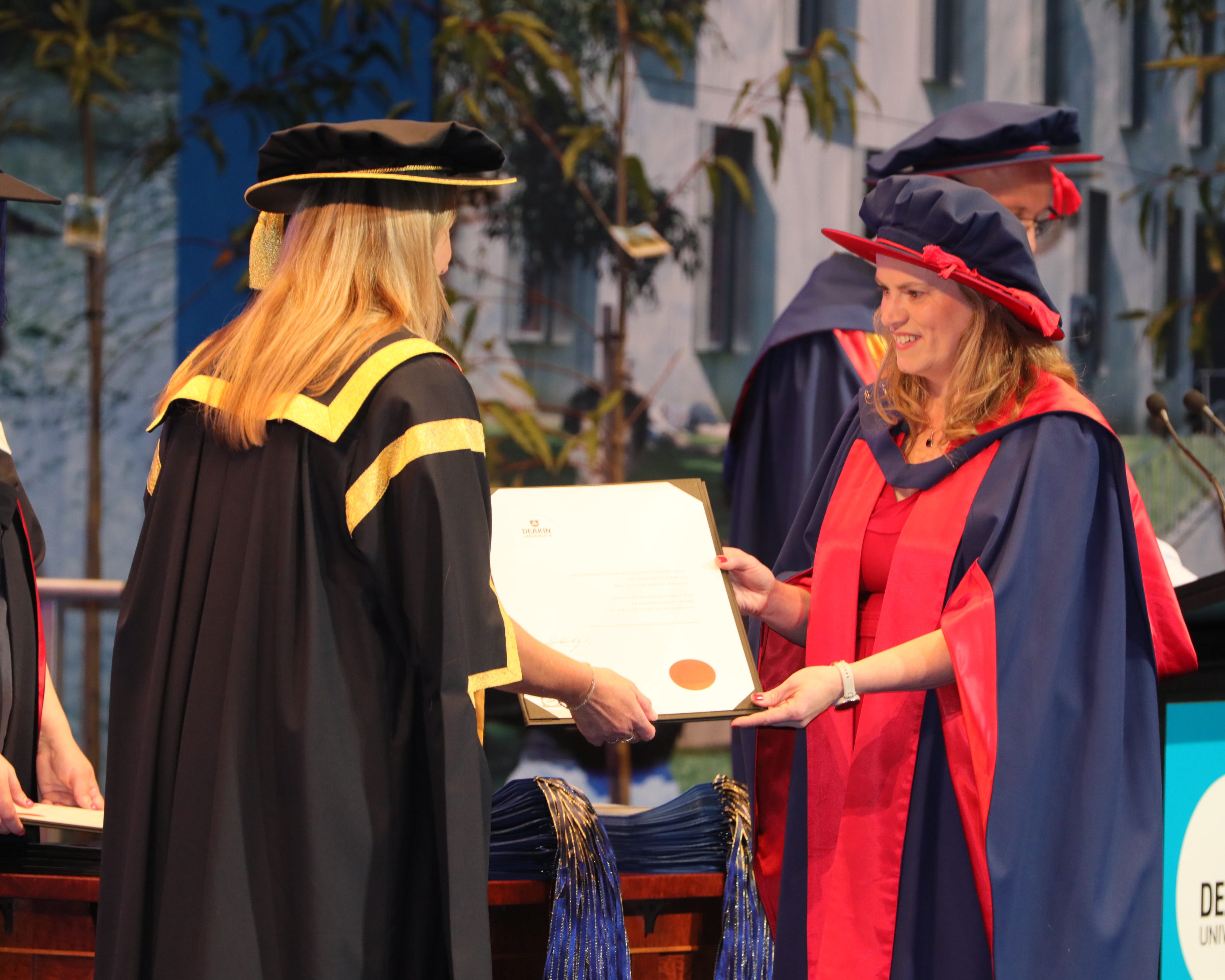
The Teacher’s Optimal Relationship Approach (TORA) — and its adaptations CORA and ORA — emerged from that work. Together they inform a multi-tier framework suite grounded in 20+ years of working therapeutically with children and families. The work is documented, dated, and published: a PhD thesis (December 2022), two sole-authored practitioner guidebooks (2023), and an invited presentation at the University of Cambridge (June 2023).
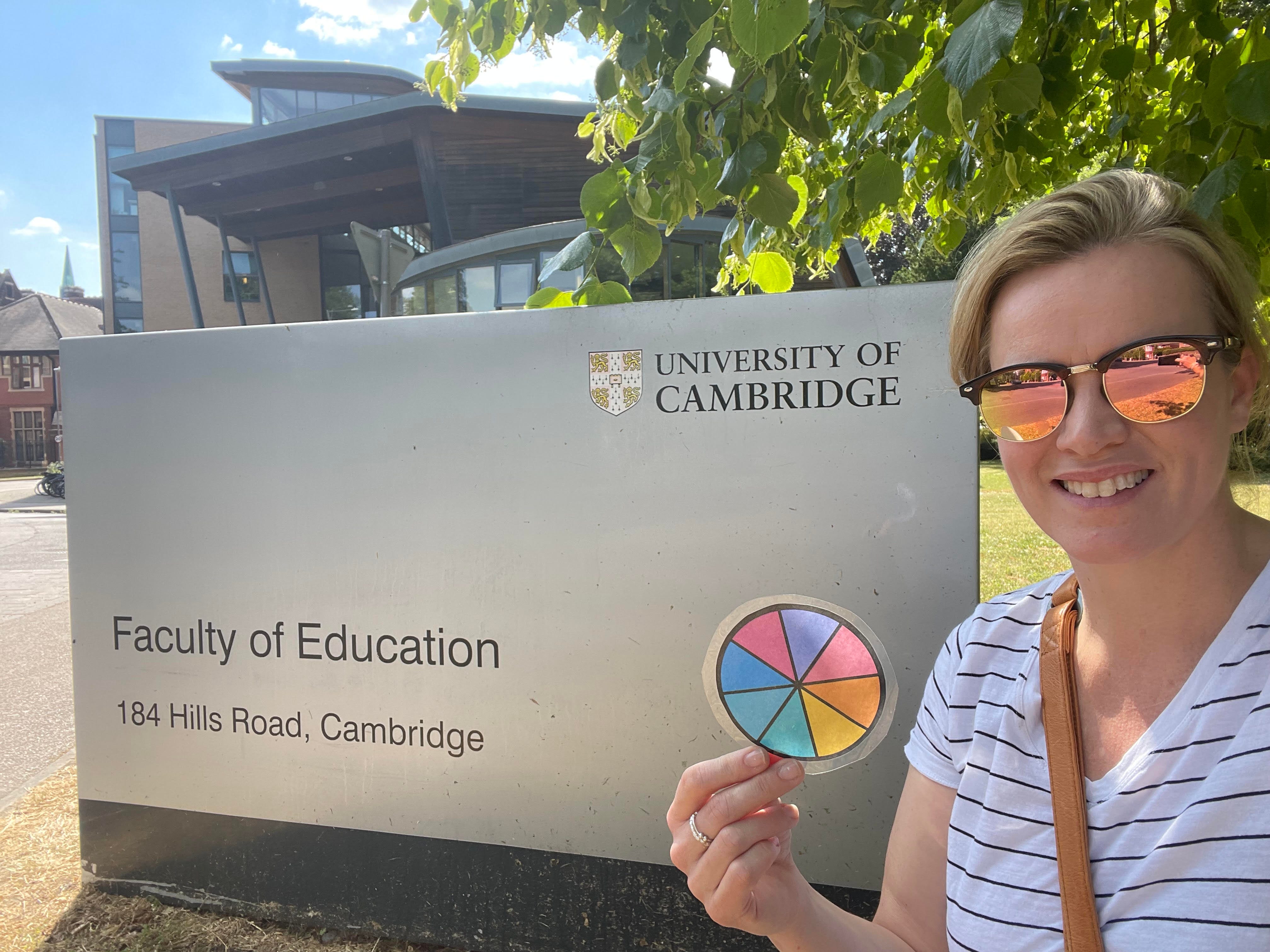
From a drug and alcohol unit in Melbourne to primary schools in the UK to Victorian classrooms — the question was always the same.
What does this child need, and who in the system is best placed to provide it?
TORA (and CORA/ORA) is my answer. It grew from 20+ years of working therapeutically with children and families — and from a fundamental belief that every child deserves support at every tier, not just those whose needs are already at crisis point.
References
Renshaw, K. (2018, May 31–June 1). Introducing the Teacher’s Optimal Relationship Approach (TORA) [Poster presentation]. Propsych Mental Health in Schools Conference: From Awareness to Action: Building Mentally Fit Schools, Luna Park, Sydney, New South Wales, Australia.
Renshaw, K. (2019). Introducing the Teacher’s Optimal Relationship Approach (TORA) [Poster presentation]. Australasia Pacific Play Therapy Association (APPTA) Conference, Brisbane, Queensland, Australia.
Renshaw, K., & Parson, J. (2022). Teachers as partners for children’s mental health in schools: Researching TORA [Conference presentation]. Australia & New Zealand Mental Health Association Child & Adolescent Mental Health Conference, Gold Coast, Queensland, Australia.
Renshaw, K. (2022). Development and efficacy of the Teacher’s Optimal Relationship Approach (TORA) [Doctoral dissertation, Deakin University]. Deakin Research Online.
Renshaw, K. (2023a). The Teacher’s Optimal Relationship Approach: TORA. Certified TORA facilitator guidebook for play therapists. Play and Filial Therapy Press.
Renshaw, K. (2023b). The Teacher’s Optimal Relationship Approach: TORA. A guidebook for certified TORA teachers. Play and Filial Therapy Press.
Renshaw, K. L. (2023c). Connor struggles to stay in school. In J. A. Parson, B. J. Dean, & N. A. Hadiprodjo (Eds.), Integrating therapeutic play into nursing and allied health practice: A developmentally sensitive approach to communicating with children (pp. 167–180). Springer. https://doi.org/10.1007/978-3-031-16938-0
Renshaw, K. (2023d, June). Efficacy of the Teacher’s Optimal Relationship Approach (TORA) [Invited presentation]. PEDAL Centre Research Group Meeting, Faculty of Education, University of Cambridge, Cambridge, United Kingdom. https://www.educ.cam.ac.uk/centres/pedal/
Renshaw, K. (2023e). Lights, camera, action research! [Conference presentation]. International Play Therapy Study Group (IPTSG), Wroxton Abbey, Oxfordshire, United Kingdom. Fairleigh Dickinson University.
Renshaw, K., & Kydd, G. (2023). Changing the course of future family violence cycles through student-teacher relationships [Conference presentation]. STOP Domestic Violence Conference, Hobart, Tasmania, Australia.
Renshaw, K., & Jarvis, J. (2024). TORA: An evidence-based universal approach to mental health and wellbeing in primary schools [Conference presentation]. National Education Summit, Melbourne, Victoria, Australia.
Renshaw, K., & Kydd, G. (2024). Trauma sensitive leadership paves the way for trauma responsive practice in schools [Conference presentation]. Trauma Aware Education Conference, Brisbane, Queensland, Australia.
Renshaw, K., & Parson, J. (2024). Supervising paraprofessionals. In A. A. Drewes & J. A. Mullen (Eds.), Supervision can be playful (2nd ed., pp. 275–290). Rowman & Littlefield.
Renshaw, K. (2025). Increasing the impact of evidence-based parenting support by upscaling delivery to a school-based universal service [Conference presentation]. International Congress on Evidence-Based Parenting Support (I-CEPS), Online.
Renshaw, K., Scira, N., & Ellard, M. (2025). Two sides of the same coin: Enhanced play therapy advocacy [Conference presentation]. Play Australia Conference, Melbourne, Victoria, Australia.
Renshaw, K. (2026, August). A multi-tier play therapy framework in educational settings: A practice model for universal prevention, early intervention, and specialised therapeutic supports [Abstract accepted]. International Society for the Prevention of Child Abuse and Neglect (ISPCAN) World Conference, Melbourne, Victoria, Australia.
Renshaw, K., & Rosenberg, L. (2026, November). Strengthening the play landscape: Play therapy’s place in the play ecosystem [Abstract accepted]. IPA World Play Therapy Conference, New Zealand.
Renshaw, K., Kydd, G., & Jarvis, J. (2026, November). When play becomes infrastructure: A whole-school case study in multi-tiered integration [Abstract accepted]. IPA World Play Therapy Conference, New Zealand.
Dr Kate Renshaw (PhD, RPT-S™) is a play therapist, researcher, author, and advocate with over 20 years of experience working therapeutically with children and families. She is the developer of the TORA/CORA/ORA framework suite and the Multi-Tier Play Therapy (MTPT) framework, and the founding director of Play & Filial Therapy. Her work spans clinical practice, doctoral research, sole-authored practitioner guidebooks, parliamentary advocacy, and international conference presentations. She is based in Ballarat, Victoria, Australia.
🌐 playandfilialtherapy.com
💼 linkedin.com/in/drkaterenshaw